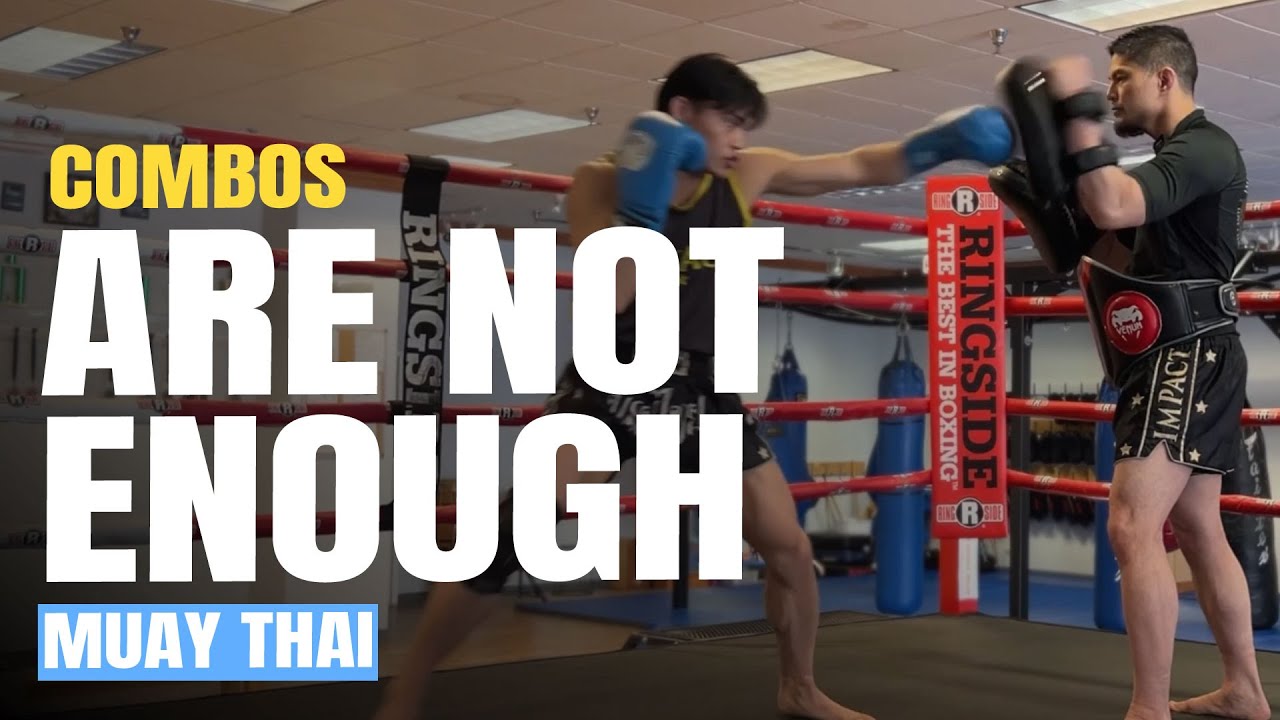
In martial arts, as in life, mastery takes more than moments. In today’s fast-paced world, where knowledge is often shared in bite-sized pieces, it’s easy to encounter doubts or skepticism about the value of isolated techniques or short lessons. Some may question if what’s shared in quick clips will actually work, while others may confuse artful expression with practical fighting.
I also recognize that the way I present techniques—often with eye-catching hooks—is meant to grab attention in the moment. This approach is intentional. In a crowded space, capturing interest is the first step to opening the door for deeper learning. However, these hooks and quick clips are not the full story. They’re starting points, designed to spark curiosity and encourage practitioners to explore the concepts further.
Martial arts is a balance of many elements—effectiveness in combat, artful expression, and personal growth. But mastery cannot be conveyed in seconds or moments. It is a journey built on fundamentals, discipline, and experience.
A Lesson from Language
This brings me to a lesson my instructor often shared through an analogy:
Imagine trying to learn a new language by memorizing only conversational phrases and slang. It’s practical—you could get by in casual conversations and navigate simple situations. But when you want to express deeper thoughts or ideas, you’d struggle. Without learning the alphabet, grammar, and sentence structure, your knowledge remains incomplete.
The same applies to martial arts. What is shared online in quick clips are small pieces of the larger “language” of training. These pieces are valuable, but they are not the full story. Martial arts is about mastering fundamentals—learning the alphabet and grammar—before stringing techniques together into something fluent and adaptable.
“Will This Really Work?” Depends on Context
Questions like “Will this really work?” are valid, but the answer often lies in context and experience. Training methods teach us the building blocks, while fighting methods teach us to apply them under pressure. You can’t shortcut the process. Mastery isn’t built in a moment—it’s built over time, through repetition, reflection, and refinement.
It’s also important to recognize that not everything in martial arts is purely about fighting. The artful expression of movement—exploring fluidity, creativity, and the beauty of technique—is a valid and important aspect of practice. However, this should not be confused with practical combat readiness. Each aspect serves its purpose and adds value to a complete martial artist.
Unpacking Quick Clips: The Role of Social Media in Learning
My goal is not to provide the complete picture in a single post—it’s impossible. Instead, I aim to share pieces of the puzzle and inspire you to explore further. Quick clips are tools to capture attention and offer a starting point, but the real value lies in unpacking them through practice and deeper understanding. Growth comes through practice, curiosity, and real experience, not just by watching or critiquing.
The hooks I use in videos are meant to capture attention in the short term, but the deeper purpose is to guide practitioners toward mastery. Social media is just a tool—a doorway, not the destination.
Mastery Takes More Than Moments
Mastery takes more than moments. It takes time, dedication, and a willingness to go beyond what’s convenient or easy. Stay curious. Keep training. And remember: what works isn’t always obvious at first—it’s built through commitment and time.